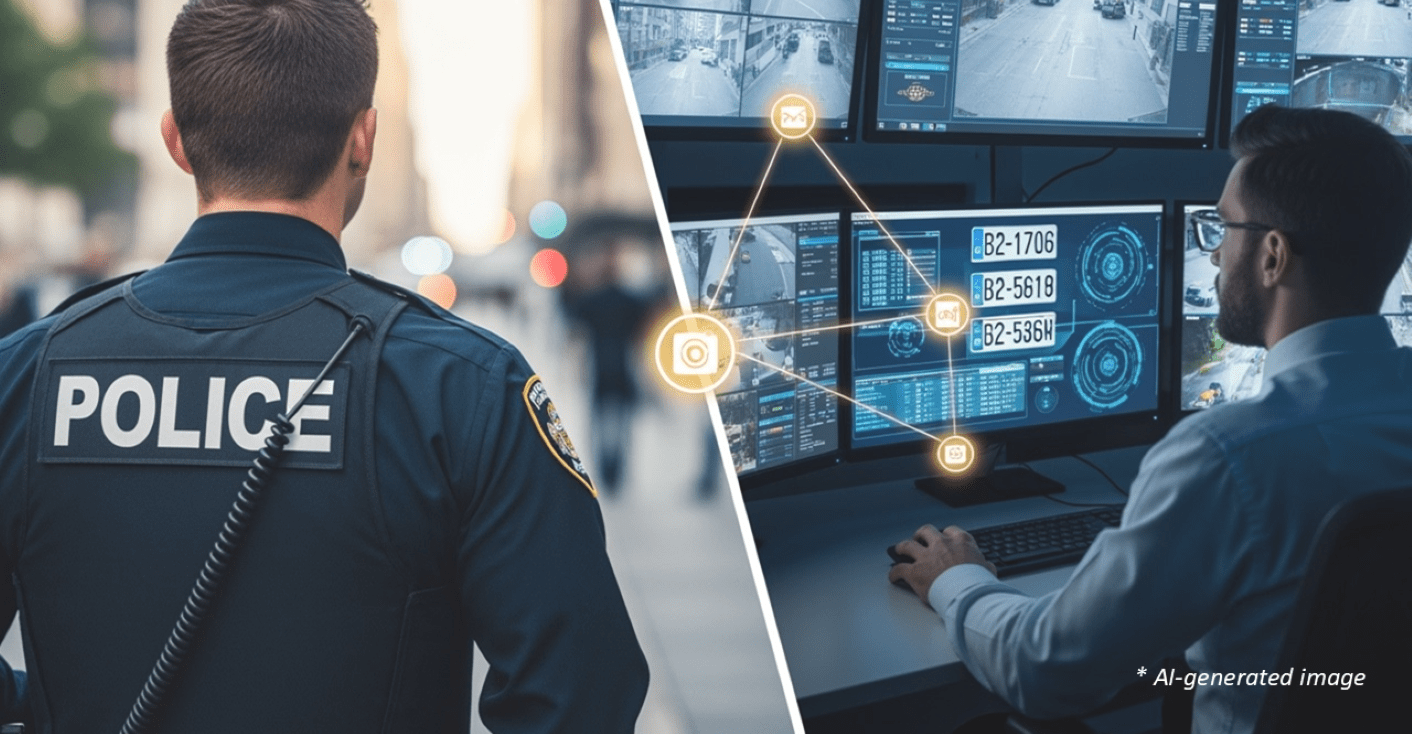





Streamlining Expenses with End-to-End Lawful Intelligence
Reducing spend on lawful intelligence technologies is a strategic necessity for both law enforcement agencies and communication service providers all over the world.

Lawful intelligence uses advanced technologies, but is only an adjunct to human expertise. These use cases show how intelligence tradecraft detects, deters, and disrupts threats while upholding legal standards.


Reducing spend on lawful intelligence technologies is a strategic necessity for both law enforcement agencies and communication service providers all over the world.

Location intelligence is generally considered in the context of latitude and longitude, placing a device on the surface of a globe or 2D map. That does not help first responders in dense urban areas.

Mobile location services used by Law Enforcement and Intelligence Agencies to locate devices and subjects of interest are typically focused on the MSISDN, but the IMSI and IMEI are useful too.
Delivering timely, high-quality location information to Public Safety Answering Points (PSAPs) is critical to emergency services’ mission of saving lives. Caller location regulations advance those

Lawful and location intelligence technologies are critical to the missions of law enforcement, the intelligence community, and emergency services organizations worldwide. They help agents safeguard

Pervasive encryption of internet communications continues to challenge lawful interception and intelligence practices, and investigators require updated tools and techniques. At the same time, communications

The convergence of communication data with other types of digital traffic – notably media content – and the continued adoption of 5G networks is creating

Widespread commercial use of drones is poised to become commonplace in the coming years, such as Amazon’s introduction of fast airborne package delivery to homes

Much of the lawful intelligence landscape is steady and predictable from year to year, even when it touches on extraordinary events such as the 2023

The massive data volumes associated with 5G networks can provide critical evidence in support of criminal investigations – if transmitted and stored efficiently and in
THE DATA SILO DILEMMA FOR LAW ENFORCEMENT
How to Ingest, Filter and Query 5G Volumes
Webinar Presented by Kevin McTiernan