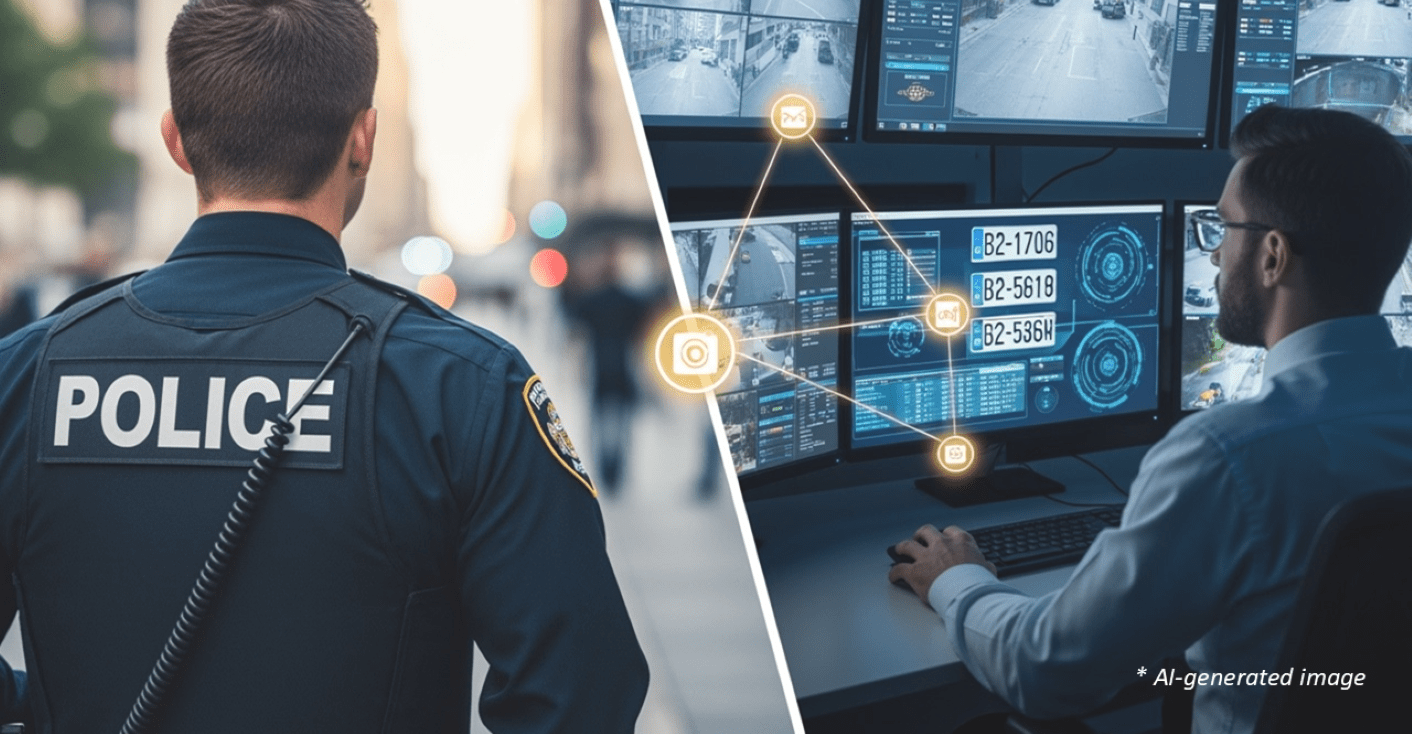





The Case for Hashed Identifiers in Lawful Intelligence
The evolution of international 5G standards has brought increased privacy and security protections for users and data, which can be at odds with the needs

Lawful intelligence uses advanced technologies, but is only an adjunct to human expertise. These use cases show how intelligence tradecraft detects, deters, and disrupts threats while upholding legal standards.


The evolution of international 5G standards has brought increased privacy and security protections for users and data, which can be at odds with the needs

Communication service providers (CSPs) realize significant agility and cost benefits from cloud and edge deployment models made possible by cloud-native network architectures. Edge computing consumes
With the increased attention to information privacy in recent years, a majority of electronic communications are now encrypted. Having that information irretrievably hidden creates novel

The evolution of wide-area networking continues to drive processing out to the network edge. That trend first gained traction with widespread cloud adoption, and it
Communication Service Providers (CSPs), including those that provide Over-the-Top (OTT) services, are obligated by law, to provide lawful intercept capabilities. This ensures that when law

Communications have shifted from traditional (voice, email and SMS offered by telecom operators) to encrypted, over-the-top (OTT) applications. Which unfortunately leaves law enforcement agencies (LEAs)
THE DATA SILO DILEMMA FOR LAW ENFORCEMENT
How to Ingest, Filter and Query 5G Volumes
Webinar Presented by Kevin McTiernan