



Disrupting Trade-Based Money Laundering
Trade-based money laundering hides the origin, destination, and value of illicit goods and proceeds within trillions of dollars of lawful commerce, acting as a force-multiplier for criminals and terrorists.

Recent legislation (like the US CLOUD Act) is designed to streamline lawful access to data across borders but stops short of addressing encryption, creating diplomatic and political tensions.


Trade-based money laundering hides the origin, destination, and value of illicit goods and proceeds within trillions of dollars of lawful commerce, acting as a force-multiplier for criminals and terrorists.
By adopting ETSI lawful interception standards, communication providers transform a legal obligation into a tool for cost optimization and technological readiness, enabling advanced 5G capabilities.

Geofencing is a critical capability that builds context and insight around location intelligence, extending the value of location analysis across use cases.
Blanketing a nation’s borders with video surveillance is impractical. AI-powered Computer Vision improves efficiency by analyzing feeds in real-time, but not without high costs. Location intelligence helps.
The data involved in lawful intercept operations is highly sensitive. A compromise jeopardizes lives, justice, and national security. Best practices and standards help satisfy compliance and ensure integrity.
With a nearly unlimited variety of data sources available today, many of which are irrelevant to investigations, law enforcement analysts need help finding the needle in the haystack.

Bad actors increasingly use connected devices and services for illicit activities. As 5G networks advance and geopolitical tensions rise, the need for robust public safety

Lawfully intercepted data, including location data, plays a crucial role in enhancing situational awareness and decision-making in criminal investigations. In this whitepaper, SS8 explores the

SS8 helps mobile network operators around the world – including some of the largest – successfully deploy our innovative lawful intercept solutions. Our experience and

When it comes to emergency calls from mobile devices, delivering a location reliably, accurately, and in a timely fashion helps mobile network operators avoid regulatory
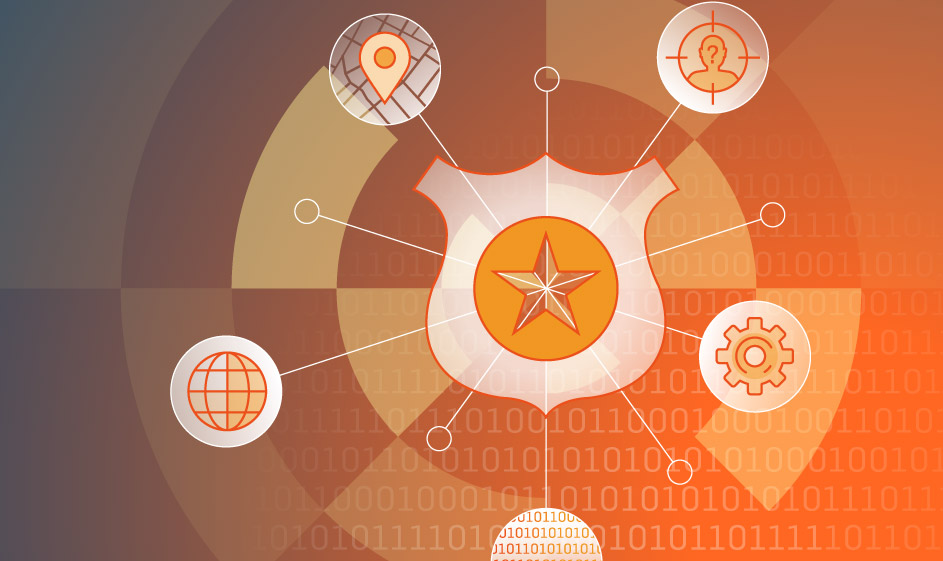
THE DATA SILO DILEMMA FOR LAW ENFORCEMENT
How to Ingest, Filter and Query 5G Volumes
Webinar Presented by Kevin McTiernan