


Securing Lawful Interception
The data involved in lawful intercept operations is highly sensitive. A compromise jeopardizes lives, justice, and national security. Best practices and standards help satisfy compliance and ensure integrity.

Recent legislation (like the US CLOUD Act) is designed to streamline lawful access to data across borders but stops short of addressing encryption, creating diplomatic and political tensions.


The data involved in lawful intercept operations is highly sensitive. A compromise jeopardizes lives, justice, and national security. Best practices and standards help satisfy compliance and ensure integrity.
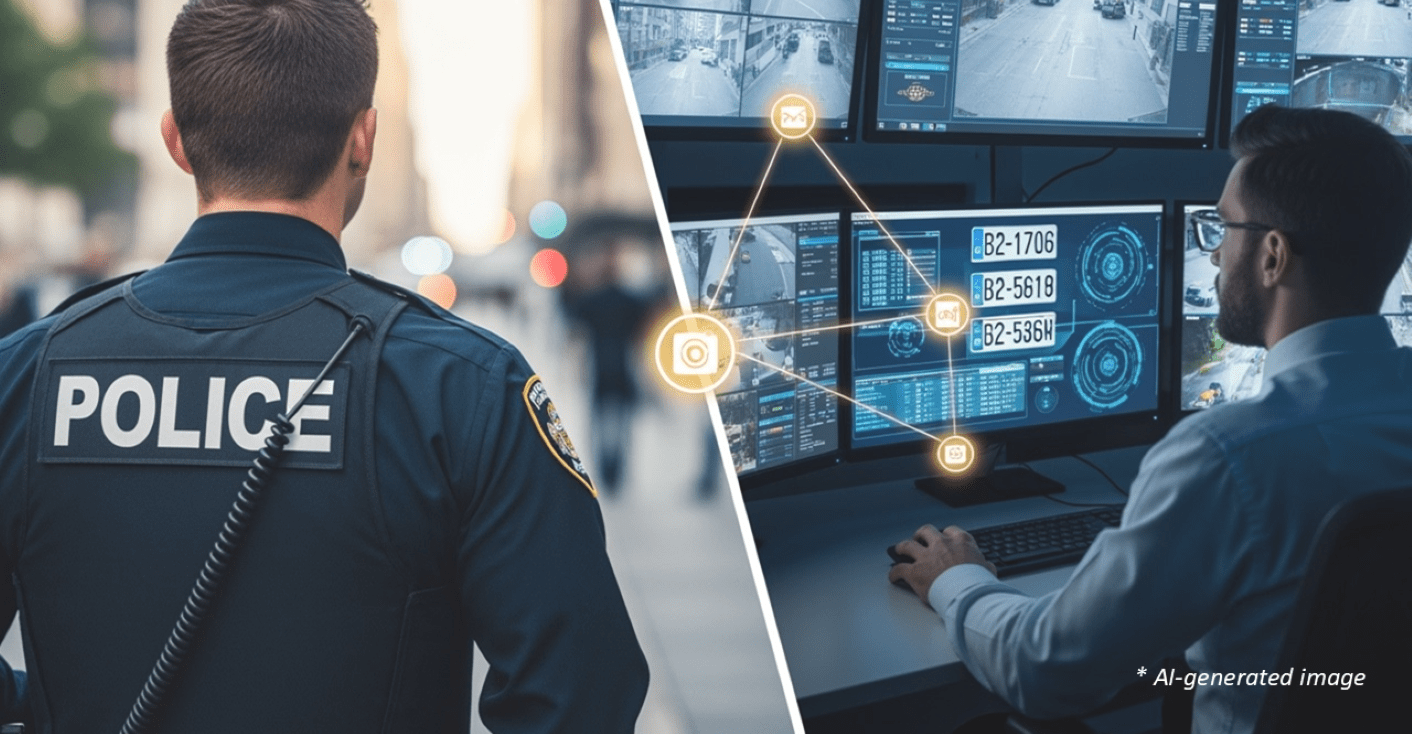
With a nearly unlimited variety of data sources available today, many of which are irrelevant to investigations, law enforcement analysts need help finding the needle in the haystack.

During missions, field agents often seize multiple devices, each holding crucial forensic location data – but if they can’t swiftly analyze the data in the field, the intelligence may be wasted.
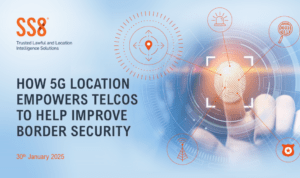
5G networks allow operators to provide high-accuracy location data to government agencies to improve border security. Using geofencing and other techniques, agents can leverage this data to create alerts.
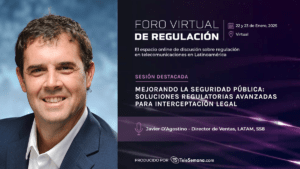
En esta presentación del Foro Virtual de Regulación de Telesemana.com, Javier D’Agostino explora cómo las soluciones de mediación avanzadas y escalables permiten a los CSPs cumplir con las regulaciones.
En esta sesión del 5G LATAM Virtual Summit, Javier D’Agostino de SS8 explica cómo la geolocalización 5G ayuda a cumplir con los nuevos mandatos y generar nuevas fuentes de ingresos.
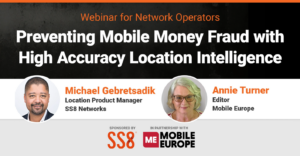
Mobile money apps have transformed financial access in developing countries, but fraudsters can impersonate a device, corrupt agents, swap SIM cards, and more.
In this October 15, 2024 session from Mobile Europe’s Telco to Techco, SS8 explores how emergency caller location regulations impact location intelligence for criminal investigations.
En este seminario web, Javier D’Agostino analiza cómo LocationWise detecta y desactiva los dispositivos de contrabando en los centros de detención sin alertar al usuario ni interferir con el uso legítimo.
Technology is enhancing the speed of communications while AI and ML reshape the digital world. Coupled with shifting economic and political dynamics, telcos need new strategies for a competitive market.
THE DATA SILO DILEMMA FOR LAW ENFORCEMENT
How to Ingest, Filter and Query 5G Volumes
Webinar Presented by Kevin McTiernan