
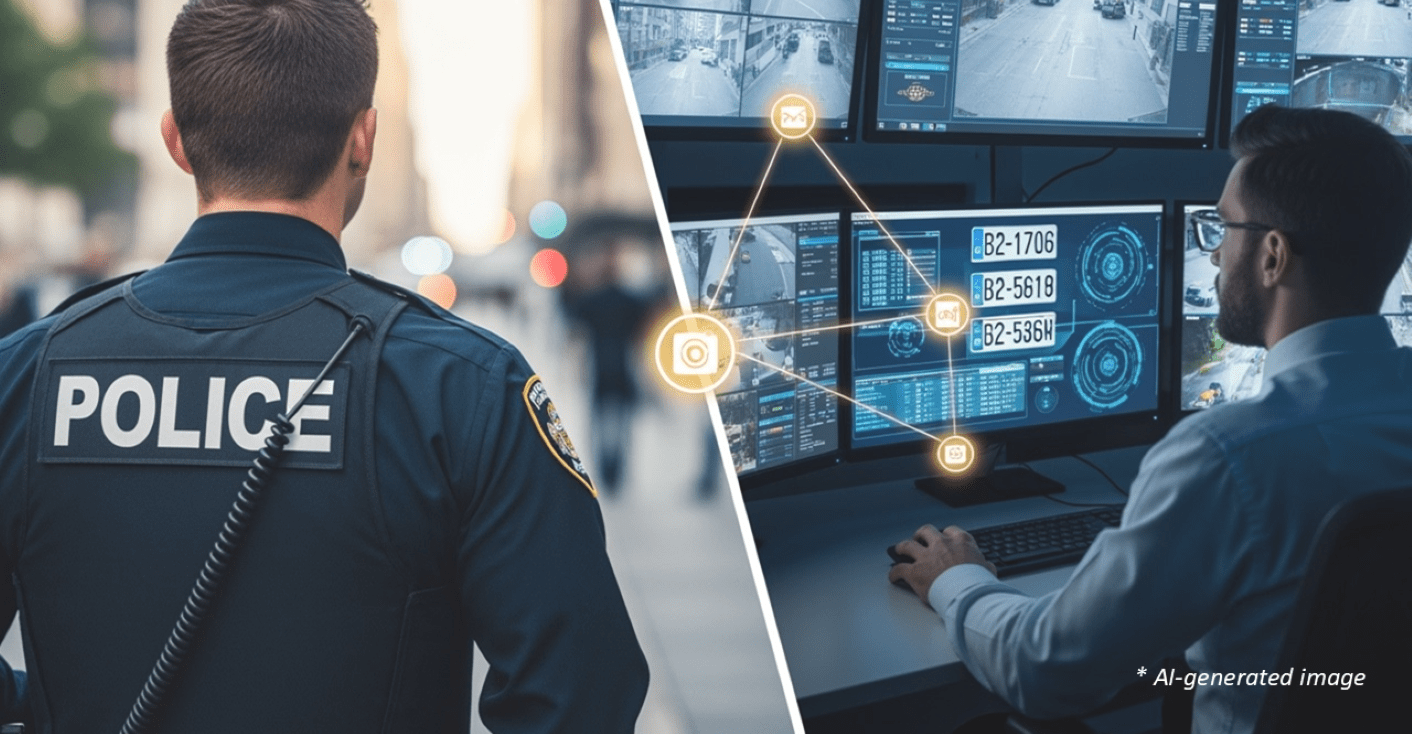




Investigative Techniques Using Augmented Reality
Successive generations of technology continue to enable the discovery, assembly, and analysis of information that plays a key role in every law-enforcement investigation. Digitization helped

Recent legislation (like the US CLOUD Act) is designed to streamline lawful access to data across borders but stops short of addressing encryption, creating diplomatic and political tensions.
Lawful intelligence uses advanced technologies, but is only an adjunct to human expertise. These use cases show how intelligence tradecraft detects, deters, and disrupts threats while upholding legal standards.
Lawful intelligence gives investigators access to vast, complex data sets. Automated tools allow analysis at massive scale, but cases are built by humans, making the usability of such solutions critical.
The massive diversity and volume of data available to feed lawful intelligence practices creates significant technical complexity. Lawful intelligence platforms work below the surface to manage that complexity.
When investigators begin a new case, they often start with virtually nothing to go on. Lawful intelligence is the framework of methods, tools, and techniques that guides investigators toward resolution.

Successive generations of technology continue to enable the discovery, assembly, and analysis of information that plays a key role in every law-enforcement investigation. Digitization helped
THE DATA SILO DILEMMA FOR LAW ENFORCEMENT
How to Ingest, Filter and Query 5G Volumes
Webinar Presented by Kevin McTiernan